
Gratitude Journaling: A Simple Habit for Midlife Women to Boost Well-Being
keywords: gratitude journaling for midlife women, benefits of gratitude journaling, how to start a gratitude journal, gratitude journaling for emotional wellness, daily gratitude practice
As women reach midlife, the demands of daily life can often feel overwhelming. From juggling careers, family responsibilities, and health, to navigating the complex emotional shifts that come with aging, it’s easy to get caught up in the stress of it all. But what if there were a simple, 10-minute habit that could help you feel more grounded, improve your mental well-being, and even enhance your physical health?
That’s where gratitude journaling comes in—a small but powerful practice that can transform your mindset, emotional balance, and overall wellness.
Why Gratitude Journaling Works
Gratitude isn’t just a feel-good emotion; research has shown that regularly practicing gratitude significantly benefits mental and physical health. Gratitude journaling can help to:
- Reduce stress and anxiety: Shifting your focus away from what’s going wrong and acknowledging what’s going well can lower stress levels and improve your outlook.
- Enhance sleep quality: Studies show that people who practice gratitude sleep better and longer, thanks to reduced anxiety and worry before bedtime.
- Improve relationships: Regular gratitude can lead to deeper, more meaningful connections with others, as you begin to appreciate the positive things in your relationships.
- Boost physical health: Gratitude is linked to improved cardiovascular health, better immune function, and fewer aches and pains.
For midlife women, these benefits are especially impactful, as this is often a time when emotional health and physical well-being become top priorities. Gratitude journaling is a way to reconnect with yourself, stay mindful of your progress, and feel empowered in your day-to-day life.
How to Start a Gratitude Journal
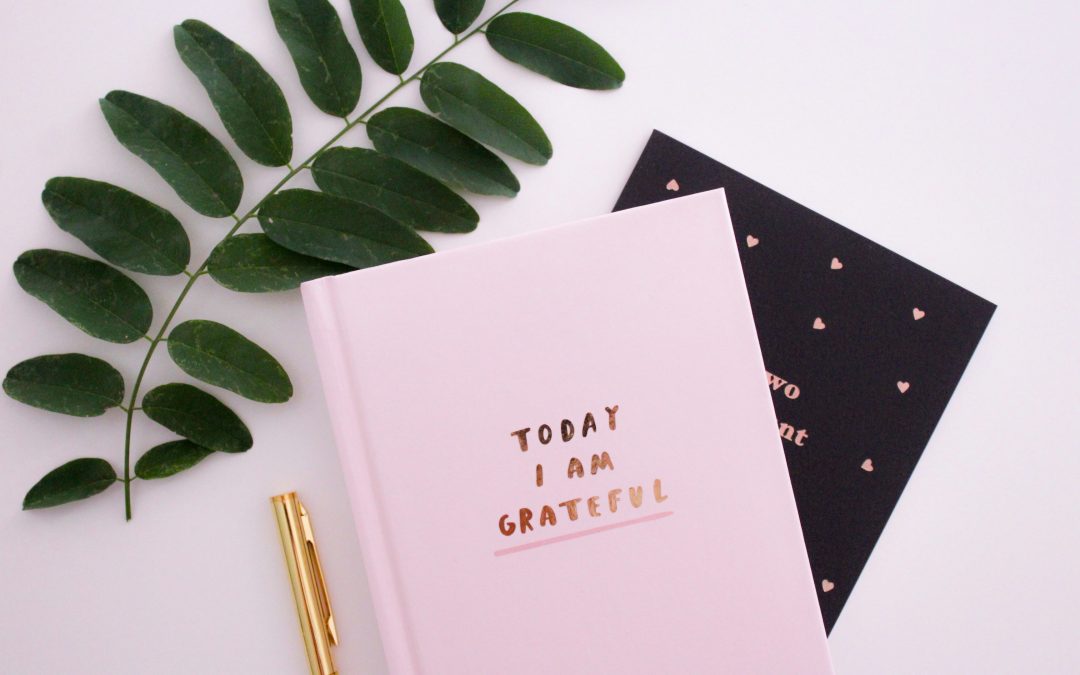
Starting a gratitude journal doesn’t need to be complicated. All you need is a notebook, pen, and 10 minutes each morning to begin reaping the benefits. Here’s a step-by-step guide to get started:
1. Commit to 10 Minutes Each Morning: The Gratitude “Dump”
Carve out just 10 minutes every morning to do what I call the “gratitude dump.” This is a quick journaling session where you allow your thoughts and emotions to flow freely, starting with three things you’re grateful for that day. These don’t have to be major accomplishments or grand gestures. The smaller, more personal things often have the most impact, such as:
- A cup of warm tea that starts your day with comfort.
- A conversation you had with a loved one that made you feel heard.
- The fact that you were able to move your body, whether through yoga, a walk, or simple stretching.
Start each session by listing three things you are grateful for, and then let your pen take over. Write freely for the remaining time, exploring why these things matter to you or how they make you feel.
2. Be Specific and Reflective
The power of gratitude lies in the details. Instead of writing “I’m grateful for my health,” take a moment to dig deeper. What specific aspect of your health are you grateful for? Is it the energy you had to complete your workout or the clarity of mind you felt after a good night’s sleep? The more specific you are, the more real your gratitude becomes.
Also, reflect on the “why” behind your gratitude. For example, if you’re grateful for a supportive partner, consider how their support impacts your day or your emotional well-being. This deep reflection helps you connect more intimately with the positive aspects of your life.
3. Start with Gratitude, End with Intention
In addition to starting your day with gratitude, you can also use your journal to set intentions. After listing the things you’re thankful for, write down one goal or intention for the day. It doesn’t need to be big—perhaps it’s to take a break when you feel overwhelmed, or to reach out to a friend you haven’t spoken to in a while.
By pairing gratitude with intention, you’re reinforcing positive habits while also setting the tone for a mindful, productive day.
4. Celebrate Small Wins
One of the biggest benefits of gratitude journaling is that it trains your mind to focus on small wins. We often get caught up in big milestones, but true growth comes from celebrating the small victories along the way. Perhaps you made it through a challenging workday with a calm attitude, or maybe you hit a new personal best in your fitness routine. Acknowledging these small wins in your journal helps you stay motivated and appreciate the journey.
How Gratitude Supports Emotional Balance and Wellness
For midlife women, emotional well-being can often feel like a balancing act. Hormonal changes, the demands of caregiving, and the pressure to maintain a career can all take a toll on emotional health. Gratitude journaling acts as an anchor—a daily practice that grounds you in the present moment, helping you cultivate resilience and peace amid life’s challenges.
Here’s how gratitude specifically supports emotional wellness:
- Improves emotional regulation: By focusing on what you’re thankful for, you retrain your brain to respond to stressors with more calmness and clarity.
- Promotes positive self-talk: Gratitude shifts your mindset from self-criticism to self-compassion, allowing you to appreciate your efforts and progress.
- Increases mindfulness: Journaling about gratitude encourages mindfulness by helping you slow down and pay attention to the present moment, reducing feelings of overwhelm.
Implementing a Gratitude Routine in Your Daily Life
To truly benefit from gratitude journaling, consistency is key. Here are some tips for making this a sustainable habit:
- Set a routine: Choose a specific time each morning when you can commit to journaling. Many people find that starting the day with gratitude helps them set a positive tone for the rest of the day.
- Create a comfortable space: Make your journaling time feel special by setting up a peaceful space—whether it’s a cozy chair by the window, a spot on your yoga mat, or a quiet corner of your home.
- Use prompts if needed: If you find yourself stuck, use prompts like “What made me smile yesterday?” or “What is one small thing I’m grateful for today?” to get started.
- Track your progress: Keep track of your consistency by marking off the days you journal. Celebrate milestones like one week or one month of consistent practice.
In Conclusion
Gratitude journaling may seem like a small habit, but its impact on your emotional and physical well-being is profound. For midlife women balancing the complexities of life, this 10-minute practice is a way to stay connected to the positive, reframe challenges, and achieve a greater sense of peace and balance. By taking the time to reflect on what you’re thankful for, you create a mindset of abundance that can ripple through every aspect of your life.
So, grab a notebook, take 10 minutes in the morning, and start with three things you’re grateful for—you’ll be amazed at the difference it makes!